With AI tools screening resumes and applications faster than ever, you might think cover letters are outdated. But in 2025, they’ve become more important for one simple reason: they’re one of the few places where you can show personality, passion, and human connection.
A great cover letter helps you:
Stand out in a pile of AI-filtered resumes
Build a personal connection with the hiring manager
Show how your values align with the company’s mission
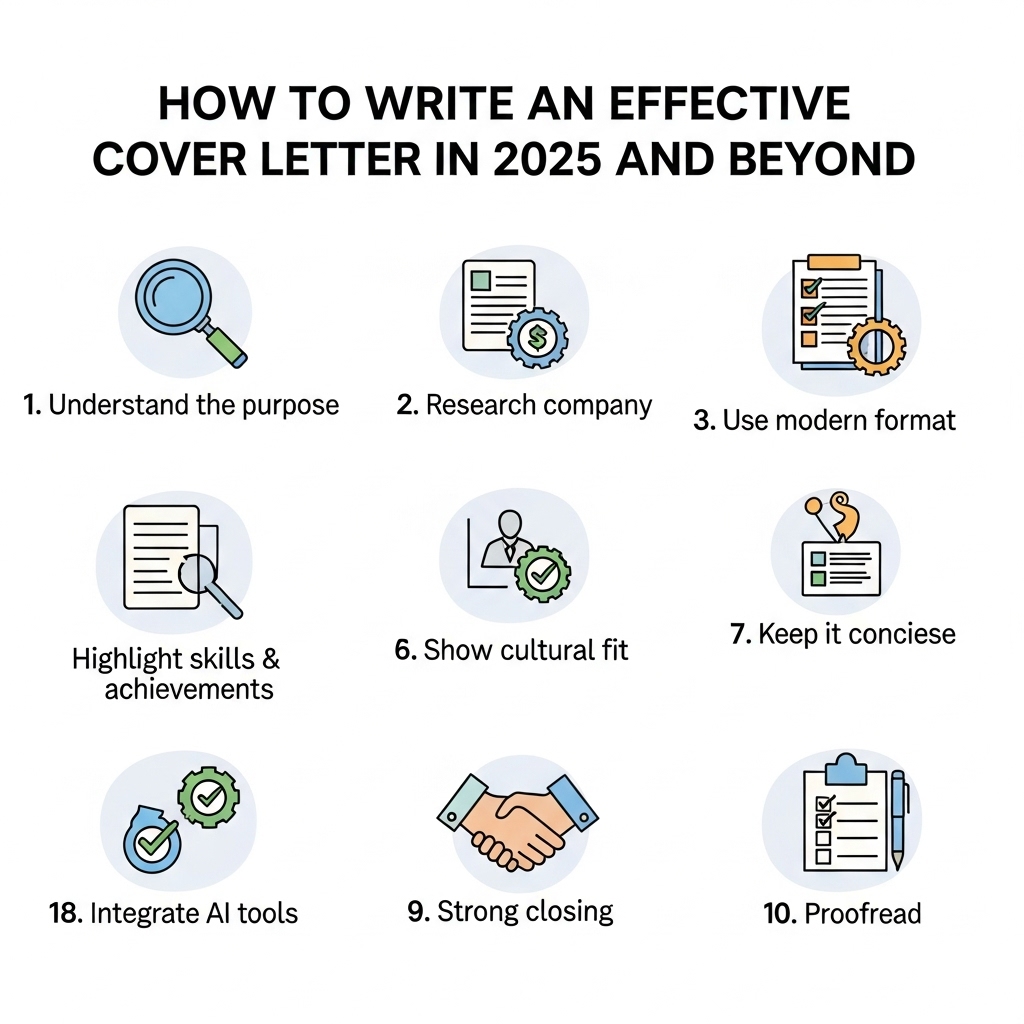
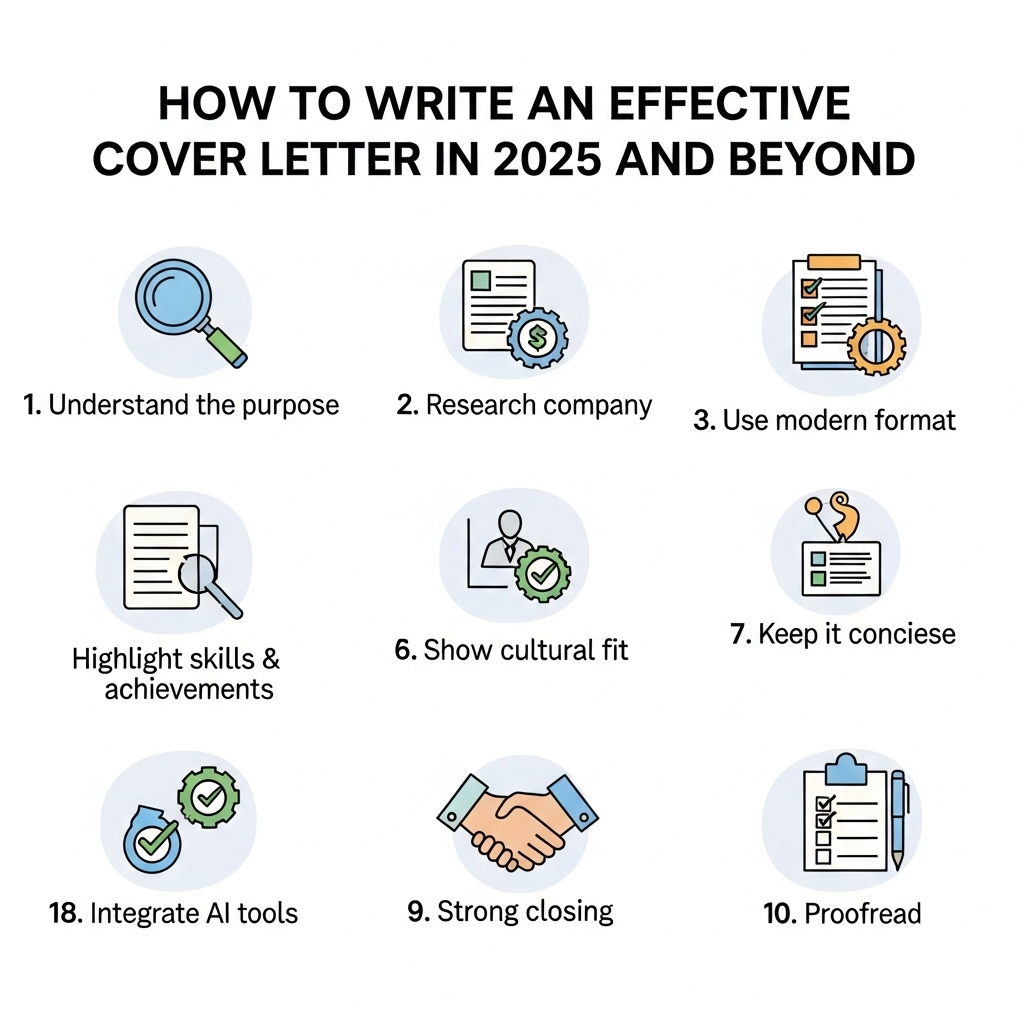
Step 1 – Understand the Purpose of a Cover Letter
Your cover letter is not a rewritten version of your resume. Instead, it’s a storytelling tool that:
Explains why you want the job
Demonstrates how you can solve the company’s problems
Shows you’ve researched the role and organization
Step 2 – Research Before You Write
Before typing a single word:
Review the job description carefully
Research the company’s values, projects, and culture
Check the hiring manager’s name (LinkedIn, company site) so you can personalize your greeting
Step 3 – Use a Modern, Professional Format
In 2025, hiring managers prefer:
Simple, clean layouts without graphics that may confuse ATS software
A maximum of one page
Easy-to-read fonts like Calibri, Arial, or Helvetica
Step 4 – Start with a Strong Opening
Address by name: “Dear Ms. Rodriguez” instead of “To Whom It May Concern”
Hook immediately: Start with an engaging sentence like “When I saw your posting for a Sustainability Project Manager, I knew I had to apply—not only because of my decade in environmental policy, but because your mission mirrors my own values.”
Step 5 – Highlight Relevant Skills and Achievements
Use specific examples: “In my previous role, I increased sales by 27% in six months through targeted digital campaigns.”
Focus on problem-solving and measurable results
Step 6 – Demonstrate Cultural Fit
Employers in 2025 care deeply about team culture:
Reference company values mentioned on their website
Explain why their mission matters to you personally
Step 7 – Keep It Concise and Impactful
Ideal length: 250–350 words
Avoid overexplaining—leave the hiring manager curious to learn more in the interview
Step 8 – Integrate AI and Digital Tools
Use AI tools like Grammarly or ProWritingAid to check grammar and clarity
Avoid over-relying on AI templates—make sure the final letter sounds human and authentic
Step 9 – End with a Strong Call-to-Action
Example: “I would welcome the chance to discuss how my skills can contribute to your team. I’m available for an interview at your convenience and can be reached at [phone number] or [email].”
Step 10 – Proofread and Get Feedback
Read your letter out loud to catch awkward phrasing
Ask a trusted friend or mentor to review before sending
Common Mistakes to Avoid
Using the same generic letter for every job
Being too casual (“Hey there!”) or overly stiff
Copy-pasting from your resume instead of telling a story
FAQs
1. Do companies still read cover letters in 2025? Yes—especially for mid-to-senior-level roles or mission-driven organizations.
2. Should I mention AI tools in my letter? Only if directly relevant to the role you’re applying for.
3. Can I use humor in a cover letter? Yes, if done subtly and if it matches the company culture.
Conclusion: Your Cover Letter as a Career Investment
In an era where automation dominates recruitment, a tailored, heartfelt cover letter is a rare opportunity to connect human-to-human. By researching, writing with intent, and aligning yourself with the company’s values, you’ll stand out—not just in 2025, but in the years to come.
Newsletter Updates
Enter your email address below and subscribe to our newsletter